
Nashville First Amendment Retaliation Lawyer
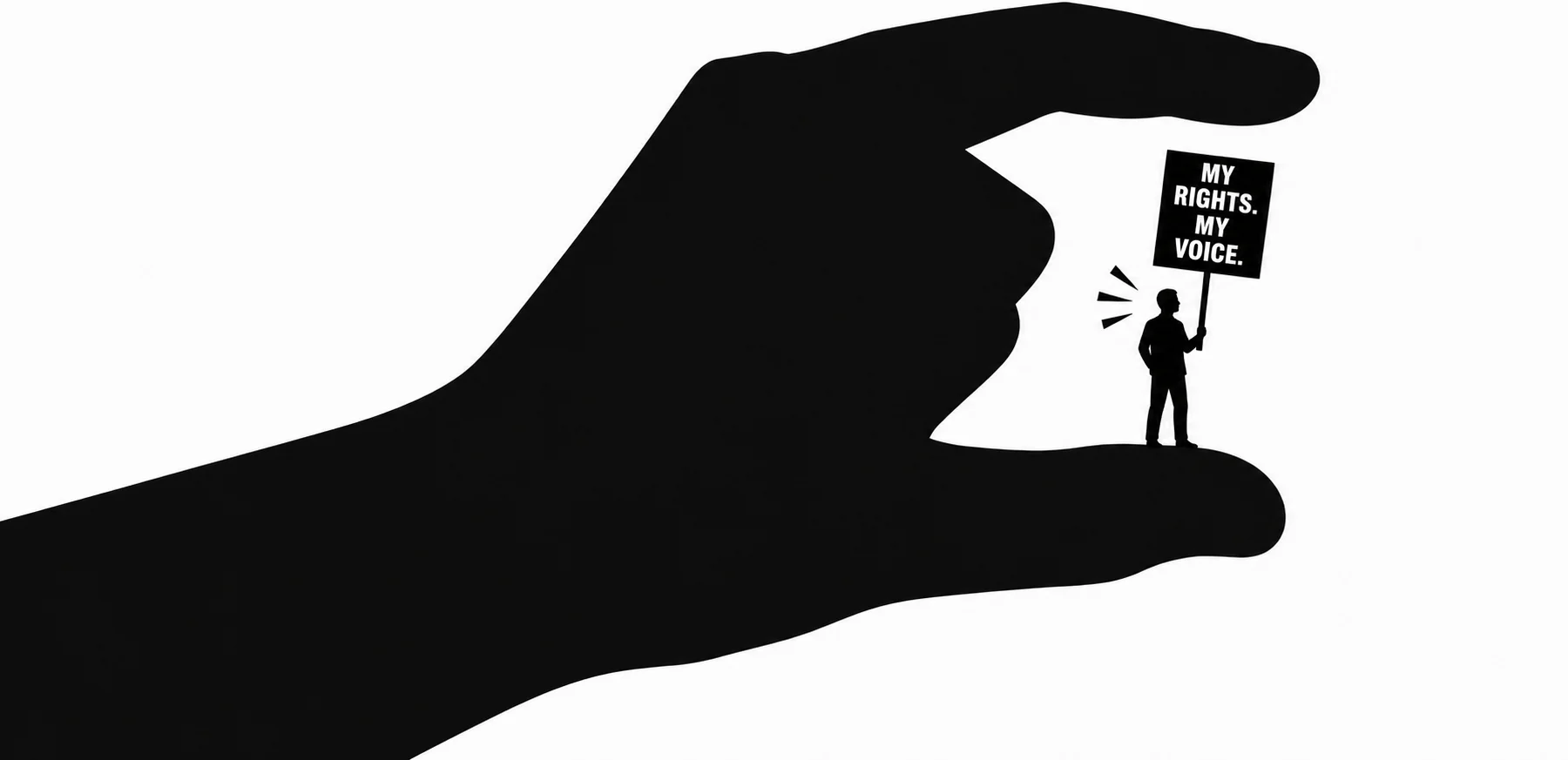
Dedicated Nashville First Amendment Retaliation Against Public Employees Lawyer in Tennessee
Can a Government Employer Punish a Public Employee for Speaking Out?
A Tennessee public employee may have a First Amendment retaliation claim if a state or local government employer punishes the employee for constitutionally protected speech, political activity, or association. Whether the speech is protected depends on what was said, why it was said, the employee’s job duties, and the employer’s response.
The First Amendment generally restricts the government, not private businesses. This means most employees of private companies do not have a First Amendment claim against their employer, even if they were disciplined for something they said. Other laws may protect the speech, however, particularly if the employee reported discrimination, wage violations, fraud, unsafe conditions, or other unlawful conduct.
Public employees are different. If you work for the State of Tennessee, Metro Nashville, another city or county, a public school or university, a police or fire department, or another governmental agency, the First Amendment may protect you from retaliation for certain speech, political activity, or association.
These cases are rarely simple. Public employees have First Amendment rights, but government employers also have authority to manage their workplaces. Courts balance those competing interests based on the specific facts.
What Must a Public Employee Prove in a First Amendment Retaliation Claim?
A public employee’s speech may be protected when the employee:
- Spoke as a private citizen rather than as part of the employee’s official job duties;
- Spoke about a matter of public concern; and
- Had an interest in speaking that outweighs the government employer’s legitimate interest in operating an effective workplace.
Each of those requirements can become a legal battleground.
Were You Speaking as a Citizen or Doing Your Job?
The First Amendment usually does not protect statements made as part of an employee’s ordinary job responsibilities – even when the employee reports serious government misconduct.
Job titles and written job descriptions are relevant, but they do not necessarily decide the issue. Courts look at what the employee was actually expected to do. The same statement might be protected when made by one employee but unprotected when made by another whose job required making that report.
Speech does not automatically lose protection because it concerns information learned at work. Testifying under subpoena, speaking publicly, contacting an elected official, or raising an issue outside the employee’s normal chain of command may support an argument that the employee spoke as a citizen. The complete context matters.
Did the Speech Address a Matter of Public Concern?
The First Amendment does not turn every workplace disagreement into a constitutional case. Speech generally must concern something of legitimate interest to the community, not merely a personal dispute about assignments, supervision, pay, or working conditions.
Potential matters of public concern may include:
- Government corruption, fraud, or misuse of public funds;
- Discrimination or systemic misconduct within a public agency;
- Public safety or public health concerns;
- Misconduct by government officials;
- Election issues or political candidates;
- Government policies and decisions;
- The operation of public schools, universities, or law-enforcement agencies; and
- Other political, social, or community issues.
A statement can involve both personal concerns and broader public issues. Courts examine its content, context, purpose, and audience.
Could the Employer Legitimately Restrict the Speech?
Even citizen speech on a matter of public concern is not automatically protected. A court may consider whether the speech actually disrupted working relationships, interfered with operations, undermined necessary trust, affected job performance, or impaired the agency’s ability to serve the public.
A government employer cannot ordinarily rely on vague predictions of disruption or public criticism alone. But the employee’s position matters. Employers may have greater latitude when an employee holds a confidential, policymaking, public-facing, or high-level leadership role.
What Employment Actions Can Count as First Amendment Retaliation?
Termination is the clearest example, but First Amendment retaliation can take other forms, including:
- Demotion or loss of responsibilities;
- Suspension or discipline;
- Denial of promotion;
- Reduction in pay or hours;
- An unwanted transfer;
- Threats or intimidation;
- A damaging employment investigation;
- Exclusion from professional opportunities; or
- Other conduct serious enough to deter an ordinary person from continuing to speak.
Petty slights and ordinary workplace friction generally are not enough.
The protected speech must also have been a meaningful reason for the employer’s action. Evidence may include close timing, statements by decisionmakers, pressure from politicians or members of the public, inconsistent explanations, unusual departures from policy, or more favorable treatment of employees whose speech was viewed differently.
An employer may defend the case by showing that it would have taken the same action for legitimate reasons even without the protected speech.
Can a Public Employee Be Fired for Social Media Posts?
Public employees do not surrender their constitutional rights when they log onto Facebook, X, TikTok, or another social-media platform. A post made from a personal account, outside working hours, and unrelated to the employee’s duties may be protected.
But “personal account” does not mean “immune from consequences.” Courts still consider:
- What the post said;
- Whether it addressed a matter of public concern;
- Whether the employee identified the government employer;
- The employee’s position and responsibilities;
- Whether the post caused or was reasonably expected to cause workplace disruption;
- Whether the employer applied its policies consistently; and
- Whether the employer reacted to genuine operational concerns or simply to political pressure, embarrassment, or disagreement with the employee’s viewpoint.
The existence of angry comments, complaints, or unfavorable publicity does not usually by itself answer whether the government may lawfully punish the employee.
Political Activity and Association
The First Amendment may also protect public employees from retaliation based on political affiliation, support for a candidate, participation in a campaign, membership in an organization, or association with other people.
There are exceptions, particularly for some policymaking or confidential positions in which political loyalty may be an appropriate job requirement. As with speech claims, the employee’s actual duties matter more than the title alone.
What Evidence Helps Prove First Amendment Retaliation?
If you believe a government employer retaliated against you, preserve:
- The exact speech, post, testimony, complaint, or activity at issue;
- Screenshots showing the complete post and surrounding context;
- Disciplinary notices, termination letters, evaluations, and personnel policies;
- Emails, text messages, and other communications with supervisors;
- Statements showing who knew about the speech and when;
- Evidence of political or public pressure on the employer; Information about similarly situated employees who were treated differently;
- Earlier positive evaluations or praise that conflicts with the employer’s stated explanation; and
- A detailed timeline of the speech and everything that followed.
Do not alter or delete social-media content once a dispute is likely. Do not secretly take confidential records or violate workplace rules to gather evidence. A retaliation attorney can help identify what should be preserved and what you may lawfully retain.
What Damages and Remedies May Be Available?
Depending on the defendant and the facts, a successful First Amendment retaliation claim may provide remedies such as:
- Lost wages and employment benefits;
- Compensation for emotional harm;
- Reinstatement or other prospective relief;
- Punitive damages against an individual defendant in an appropriate case;
- A declaration that the government violated the employee’s rights; and
- Attorneys’ fees and litigation costs.
Government officials may raise qualified immunity, and governmental entities are not automatically liable merely because they employed the person who retaliated. The identity of the decisionmaker, the employer’s structure, and the legal capacity in which each defendant is sued can substantially affect the available claims and remedies.
How Long Do Tennessee Public Employees Have to File?
First Amendment retaliation claims are commonly brought under federal civil-rights law. In Tennessee, the filing period may be much shorter than many employees expect. Different procedures and deadlines may apply to federal employees or when other employment laws are involved.
If you believe you were disciplined or fired because of protected speech or political activity, it is important to obtain legal advice promptly.
Talk With a Nashville First Amendment Retaliation Lawyer
Yezbak Law Offices represents public employees in Nashville and throughout Tennessee whose workplace and civil rights have been violated. We can evaluate the speech, the employee’s actual job duties, the employer’s stated reasons, and the evidence connecting the speech to the adverse action.
Not every unfair response to an employee’s speech violates the First Amendment. But a government employer cannot lawfully punish an employee merely because officials – or influential members of the public – dislike the employee’s protected viewpoint.
Call or text Yezbak Law Offices at (615) 250-2000 to request a consultation.
FAQs About First Amendment Retaliation Laws in Nashville, TN
Can a Public Employee Be Fired for Political Speech?
Sometimes, but not merely because government officials dislike the employee’s viewpoint. Courts consider whether the employee spoke as a citizen on a matter of public concern, the employee’s role, the employer’s operational interests, and whether the speech caused or was reasonably expected to cause disruption.
Does Reporting Government Misconduct Always Receive First Amendment Protection?
No. A report made as part of an employee’s ordinary job duties may fall outside First Amendment protection, even when it concerns serious misconduct. Other whistleblower or anti-retaliation laws may apply, so the employee’s actual duties and the way the report was made are important.
This page provides general information and is not legal advice. Whether speech is constitutionally protected depends on the specific facts, the employee’s duties, the employer involved, and the law applicable to the claim.


© 2026 Yezbak Law Offices. All rights reserved.
Digital Marketing By 
*Images are obtained under license from Canva and other third-party stock image providers, with attribution included where required.